

Sports Bandage Production Lead Times: Why Does a Small Order Take 25 Days?
If you are sourcing medical or sports bandages from a factory, you might wonder why the manufacturing lead time is often 25 days, even when your order quantity is far below the factory’s daily output. This is a common question in B2B procurement. The answer lies not in the speed of the machines, but in the logic of production planning and the supply chain timeline.
Here is an inside look at the sports bandage manufacturing process and why the standard lead time is structured this way.
1. Batch Processing: The “Economies of Scale” Approach
Factories do not operate on a first-in, first-out basis for individual orders. Instead, they use batch production to maximize efficiency and minimize costs. Changing machine settings and materials for small runs is time-consuming and expensive.
- The Reality: Even if your minimum order quantity (MOQ) is only 100 cartons, the factory will typically wait until it has accumulated orders for several hundred or thousand cartons of a similar product.
- The Logic: This allows them to purchase raw materials in bulk and run a single, efficient production shift. Your small order enters the production queue and must wait until it can be grouped with others to form an “economic batch size.” Think of it like a bus—it won’t leave the station just for one passenger; it waits until enough passengers are aboard.
This batch processing model applies to large orders as well. New orders must always wait for existing ones in the production schedule, and time is also required to prepare specific raw materials.
2. Deconstructing the 25-Day Production Lead Time
Le delivery date you are quoted (25 days) usually refers to the total order fulfillment time, not just the time items spend on the machine. This 25-day window is a standard industry lead time that accounts for the entire manufacturing workflow. Here is how those days are typically allocated in the bandage supply chain:
| Stage | Estimated Time | Key Activities |
|---|---|---|
| Order Processing & Production Scheduling | 5-10 Days | Your purchase order is entered into the system. The factory plans the production capacity and slots your job into the future schedule. This is often the “hidden” time in the order-to-delivery cycle. |
| Raw Material Sourcing & Inspection | 3-7 Days | Even for standard materials (like adhesives or non-woven fabric), the factory may need to allocate stock from the warehouse or order from upstream raw material suppliers. Medical-grade materials require strict incoming quality control (IQC) before release to the workshop. |
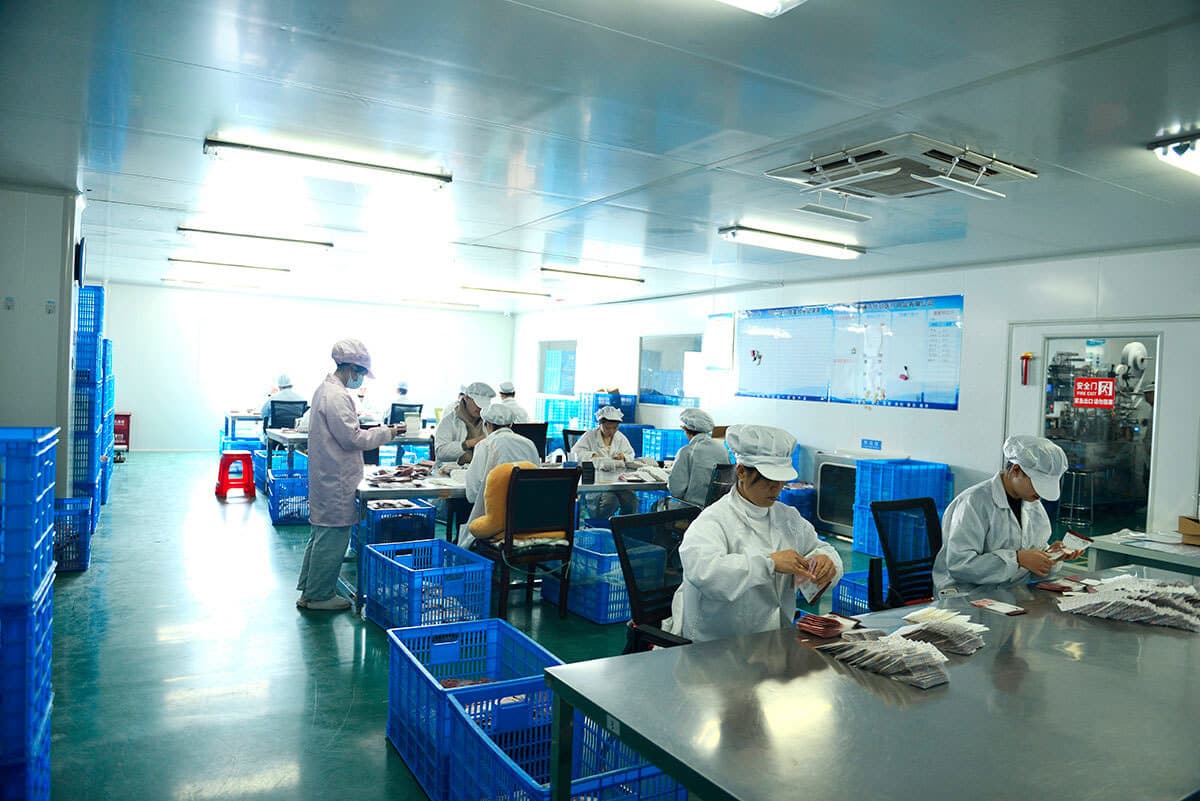
| Manufacturing & Assembly | 3-5 Days | This is the actual production run. Processes include adhesive coating, lamination, slitting, and packaging. Because your order is small, the actual machine time is very short compared to the waiting time. |
| Quality Assurance & Warehousing | 2-3 Days | Finished rolls undergo final quality control (QC) testing for tensile strength, elasticity, and adhesion. Once approved, they are packed, labeled, and moved to the finished goods warehouse for shipping. |
Tips for Buyers: How to Expedite Your Order
While 25 days is a standard production timeline, communication is key. If you have urgent requirements:
- Communicate Urgency: Clearly state your required delivery deadline to the sales team ou account manager during the quotation stage.
- Check Material Availability: Ask if the required raw materials are in stock. If the factory has inventory and the production schedule is not fully booked, they may be able to expedite your order.
- Build Relationships: Maintaining good communication with your supplier can sometimes lead to flexibility, especially if a cancellation opens up a slot in the production plan.